
Hidden Bamboo Forest at Fushimi Inari Taisha (Kyoto)
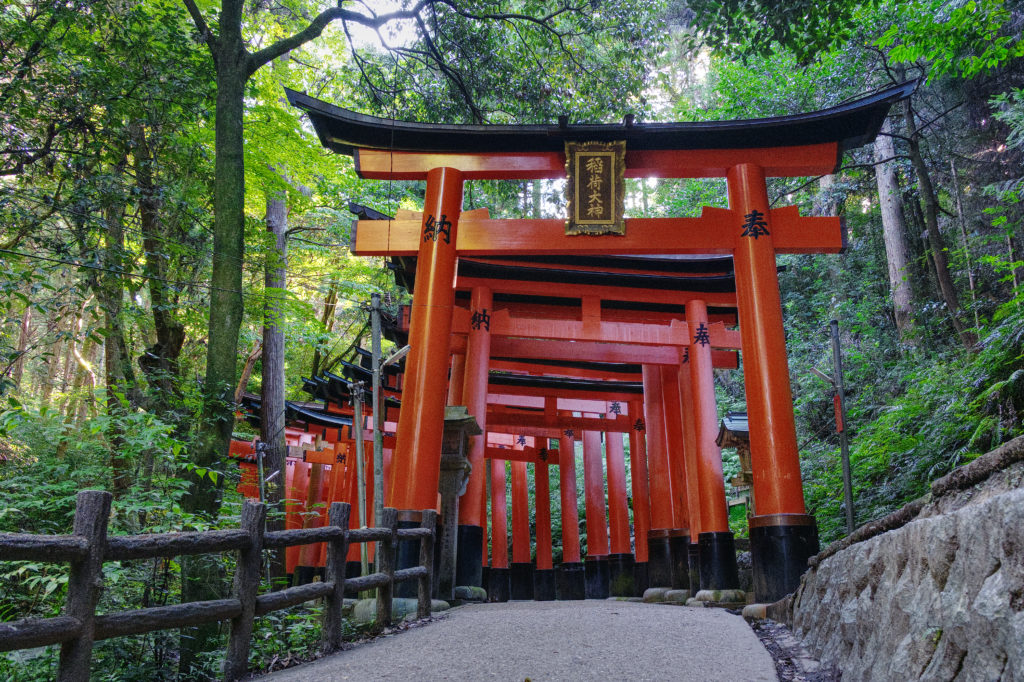
Tucked away in the hills of Kyoto, the bamboo forest around Fushimi Inari Taisha offers a quieter, more natural alternative to the city’s more crowded photo spots. While most visitors come for the famous red torii gates, very few go beyond the main path to explore what’s just a few minutes away.
Getting to these quieter areas is much easier than people think. As most people enter through the main torii gates, you can simply walk alongside the same route, heading in the same direction but slightly off the main path. This small adjustment lets you avoid the crowds almost immediately.
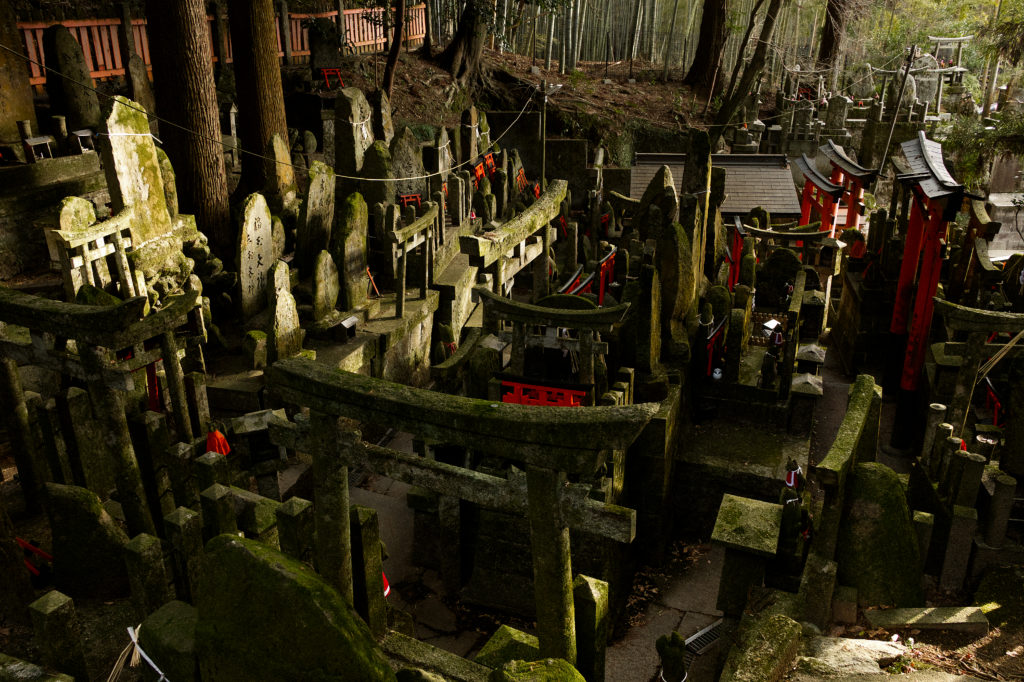
Within around five minutes, the environment starts to change. You’ll come across your first smaller shrine, and the atmosphere becomes noticeably calmer and more open. Continue a little further, and within a couple of minutes, you’ll start to find hidden, quiet pathways and bamboo forest areas that most visitors miss.
Unlike the more structured and often crowded Arashiyama Bamboo Grove, the bamboo here feels more raw and natural. There’s more freedom to move, shoot, and explore without interruption. It’s this combination of easy access and quiet atmosphere that makes it such a strong location, not just for visiting, but for photography and video.
What It’s Like
The bamboo areas here aren’t one large, packed forest. Instead, they’re spread out in sections, which gives you more variety as you move. You’ll come across narrow paths lined with bamboo, small open spaces where light comes through cleanly, and quiet corners with shrines placed naturally along the route.
This mix makes the area feel less staged and more real. Visually, the bamboo creates strong vertical lines and depth, while the surrounding greenery softens the overall look. Light filters through the trees, giving you a more even, natural tone throughout the space.
It’s also easier to move here. You can walk, stop, and shoot without interruption, which makes the whole experience feel more relaxed compared to the main torii gate path at Fushimi Inari Taisha. Overall, it’s a calmer, more flexible environment that works with you rather than against you.
After passing through the first bamboo section, the path continues upward. As you walk, you’ll come across a small shrine area sitting higher up, with a torii gate at the top. If you walk up to the torii gate, you’ll notice bamboo forest directly behind it. When you turn and walk back down, the sunlight hits the torii gate perfectly, creating a strong and clean photo opportunity.
On this route, you’ll only see the occasional person. It’s calm, giving you space to slow down, think, and shoot properly. While the main path is often crowded, this side stays quiet, which is rare in Kyoto where most locations are busy.
One shrine features a small building beside a lake, which creates a great photo opportunity as it reflects beautifully in the water. It’s a calm, balanced scene that feels completely different from the bamboo paths below.
As you continue further up the mountain, you eventually reach a viewpoint overlooking Kyoto. This viewpoint has three different levels, each offering a slightly different perspective of the city. Reaching this point feels like a reward. The walk up the mountain takes effort, and you’ll likely be out of breath by the time you arrive, but that climb is part of the experience and opens up even more photographic opportunities along the way.
One of the best parts about this viewpoint is that it sits only around one-third of the way up the mountain. Many people assume they’ve reached the top, but there’s still more to explore beyond this point. However, for photography, this viewpoint is the key location to return to later.

Best Time to Visit
Any time can work at Fushimi Inari Taisha if you take the back route. While the main route gets busy with tourists during the day, the back path stays quiet and easy to move through, making it a reliable option regardless of when you visit.
If you’re taking the back route, timing becomes important. It typically takes around one to two hours to reach the viewpoint overlooking Kyoto, so you need to plan your start time carefully.
The back route has no lighting at all, so once it gets dark, visibility drops completely. Because of this, it’s best not to start later than two to three hours before sunset. Starting earlier gives you enough time to reach the viewpoint safely, shoot in daylight, and stay for sunset without rushing.
Early morning offers the quietest conditions, with soft light and very few people on the paths. Late afternoon is also a strong option, as the light begins to warm up and shadows add more depth to your images.
The standout time, however, is sunset into blue hour. This is when the viewpoint overlooking Kyoto becomes most visually powerful. The city starts to shift in colour, the sky softens, and the overall atmosphere becomes more dynamic.
As you begin to walk back down the mountain, you can shoot the same locations again in blue hour and early night conditions. This creates a completely different look compared to daylight, giving you more variety in your shots. It’s also a great opportunity to practice night photography and longer exposures as you make your way back down.

Final Thoughts
The bamboo areas around Fushimi Inari Taisha offer something most visitors never experience. Just a few minutes away from the main path, the environment becomes quieter, more open, and far more flexible for photography.
Instead of one fixed location, you get a full range of scenes, from bamboo paths and hidden shrines to reflections and elevated viewpoints over Kyoto. Each section feels different, which allows you to create a varied set of images in one visit.
If you time it right, you can move through multiple lighting conditions in a single session, from daylight to sunset and into blue hour. This is what makes the route so strong, especially for photography and video.
As a photographer working in Osaka and Kyoto, this is one of the routes I use when I want a quieter, more controlled environment to shoot in. If you want to experience this route properly without missing the hidden spots, I also run private photo tours where I guide you through locations like this while shooting along the way.